Skin Cancer
Dr Satya Shanbhag and his dedicated skin cancer team (Dr Mark Chan, Edlyn & Vhashika) run a busy and experienced skin clinic at the West Auckland Medical & Surgical Centre.
Together, they provide comprehensive assessment and management of skin lesions for both community patients and those referred from the DHB.
Skin cancer is the most common cancer in New Zealand, caused by the abnormal growth of skin cells. These changes can be non-cancerous (benign) or cancerous (malignant).
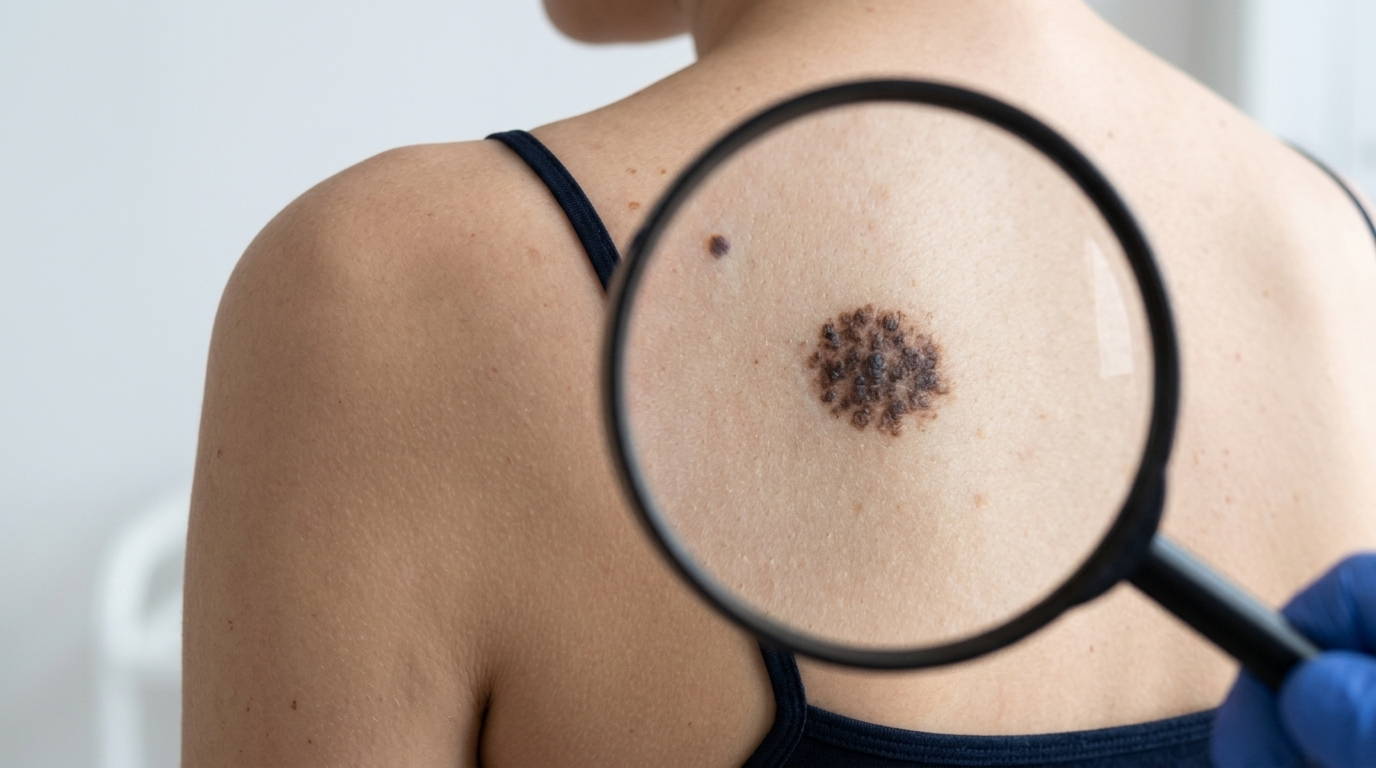
Every year, around 90,000 New Zealanders are diagnosed with skin cancer. They usually appear as changing skin spot or lesions (an area that looks different from the surrounding skin). Skin cancer is more common in older adults, and in people with high sun or UV exposure, a history of skin cancer, or a family history of the condition.
However, anyone- regardless of age, gender, or skin type- can develop skin cancer anywhere on the body.
Basal Cell Carcinoma (BCC)
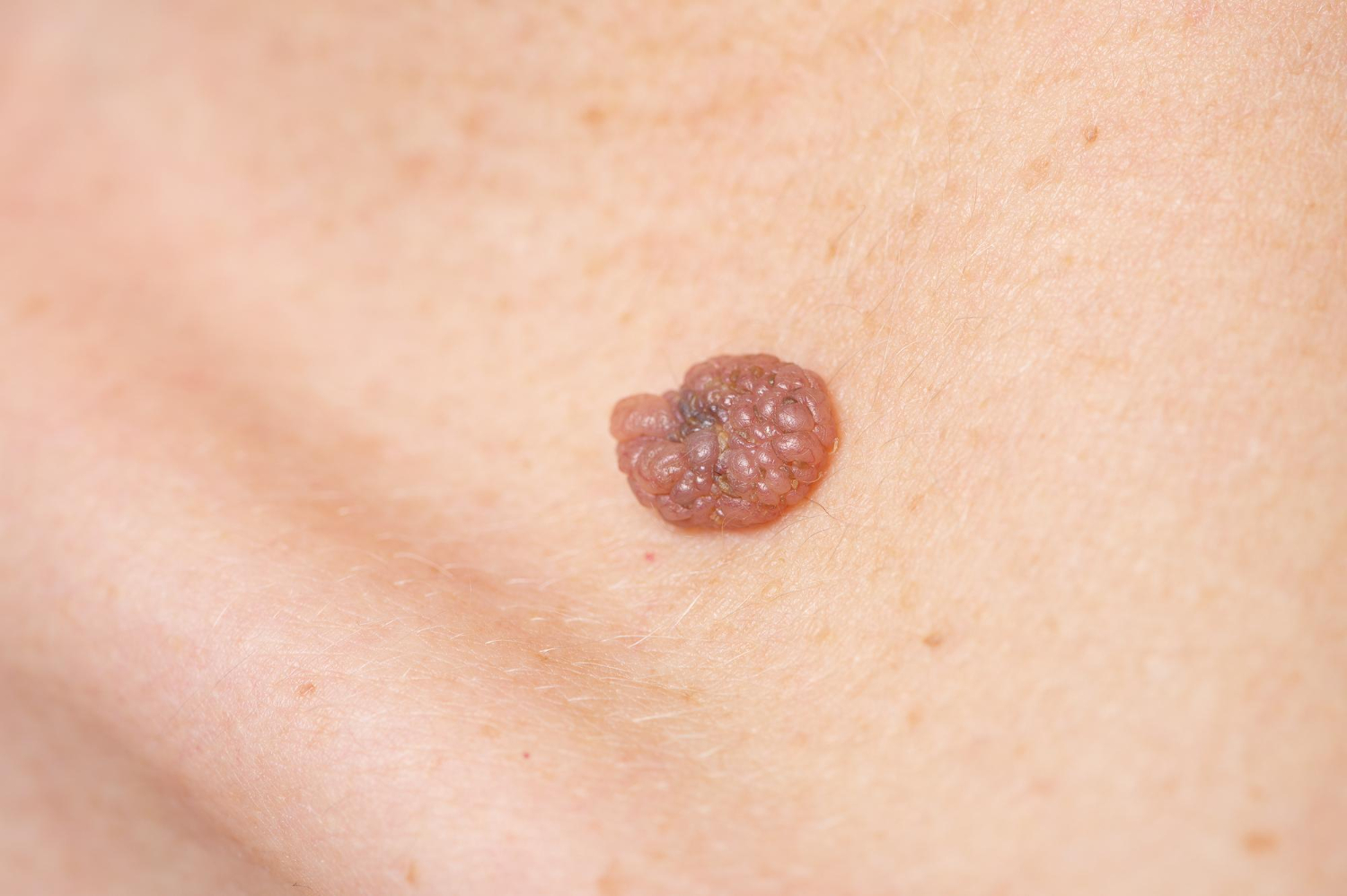
BCCs originate from the basal layer of the skin (the lowest layer of the epidermis).
They are the most common and least aggressive type of skin cancer. Therefore BCCs grow slowly over months or years and rarely spread to other parts of the body. However, if left untreated, they can become larger, painful, or ulcerated, and may invade deeper tissues like muscle or bone.
Squamous Cell Carcinoma (SCC)
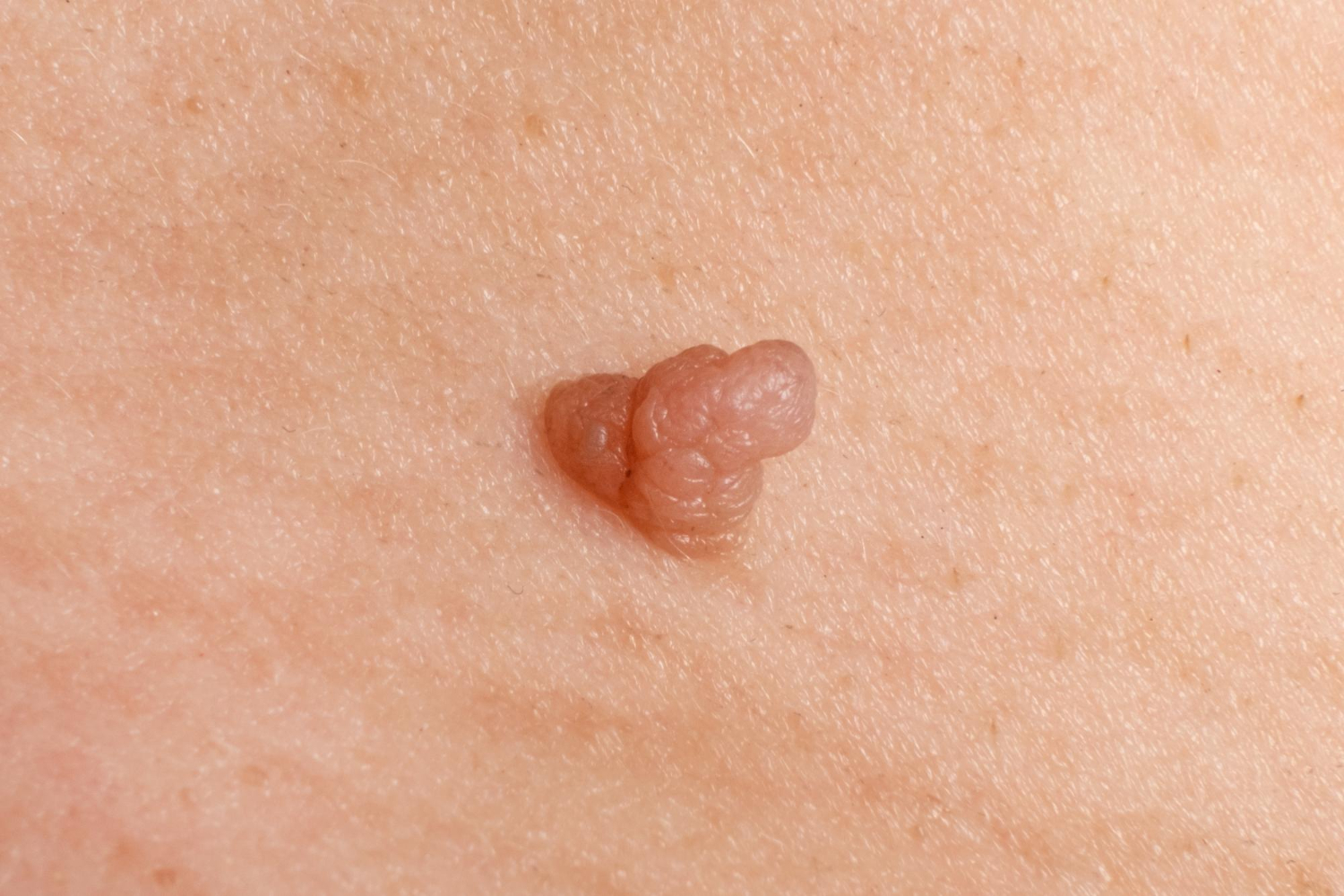
SCCs arise from the upper layers of the skin and are the second most common form of skin cancer.
They are more likely to occur in people who smoke, have had an organ transplant, or have a weakened immune system, but can also occur in anyone.
SCCs tend to be more aggressive than BCCs and can spread if not treated early, especially when located on the face, scalp, or genital areas.
Therefore early treatment is essential to prevent further complications.
Melanoma
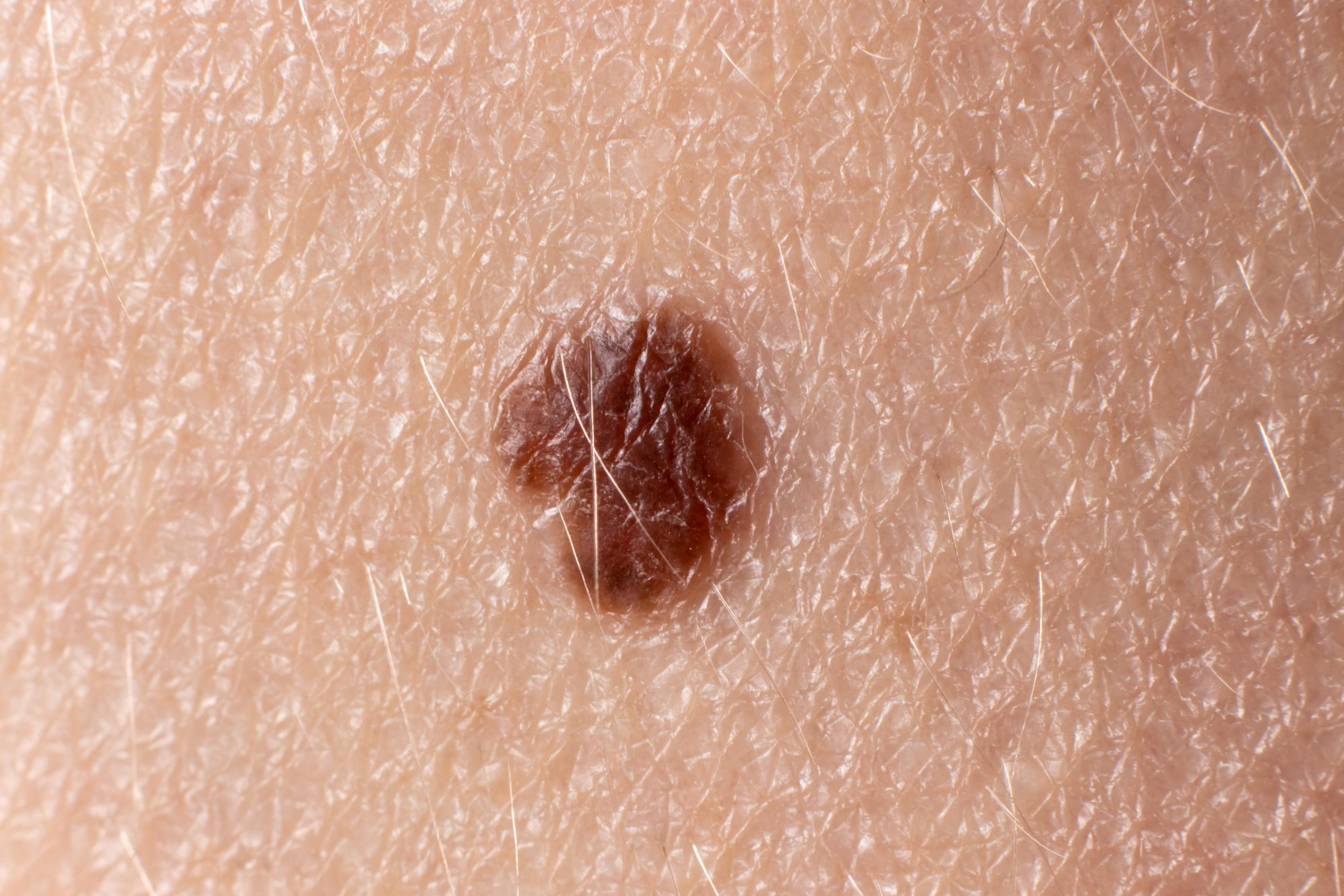
Melanomas develop from melanocytes, the cells that produce skin pigment.
They are the most invasive form of skin cancer, with a higher risk of spreading to lymph nodes or other parts of the body if left untreated. Each
year, about 2,000- 3,000 New Zealanders are diagnosed with melanoma. Due to their aggressive nature, melanomas require prompt surgical removal with a safe margin, and in some cases, specialist hospital care may be needed.
Early detection and treatment give the best outcomes for skin cancer. Because some cancers can look unusual or subtle, any new, changing, or concerning skin spots should be checked by a qualified health professional.
You can contact or book an appointment with Dr. Satya Shanbhag for a comprehensive full-body skin check.
The price for a whole body molemap at WAMSC is very reasonable.
Treatment
The management of skin cancer depends on several factors — the type of cancer, its location, how advanced it is, and your overall health.
Treatment options can range from freezing (cryotherapy) or topical creams, but the most effective and definitive treatment is usually surgical removal (excision).
Diagnosis starts with a clinical assessment- your doctor will take a history and carefully examine the lesion, often using a dermatoscope (a special magnifying tool that helps us see details of the skin).
If the diagnosis isn’t clear, we may take a biopsy- a small sample of the lesion that is sent to a lab for testing. The biopsy confirms whether the lesion is cancerous and helps guide the best treatment plan.
Suspected skin cancers can be removed using different methods depending on their size and location. In some cases, nearby skin (flap) or skin from another part of your body (skin graft) may be used to cover the wound, helping it heal better and maintain normal appearance and movement. Your surgeon will recommend the approach that ensures complete removal while preserving the optimal cosmetic and functional result.
Frequently Asked Questions
Q: Will I be awake during the surgery?
A: Yes. The procedure is done under local anaesthetic, which means the area will be numb but you’ll be awake and comfortable. You may feel some pressure or movement, but not pain.
Q: Why is my scar larger than I expected?
A: While we always aim to keep scars as small and neat as possible, it’s important to remove all the cancerous cells to prevent the cancer from returning. We carefully balance the cosmetic appearance of the scar with ensuring a safe and complete removal.
Our team is always happy to answer any questions you may have about skin cancer and its management. Please don’t hesitate to ask us during your visit.
Costs
The cost of treatment varies depending on the type and complexity of the procedure, and Dr Satya will be happy to discuss this with you
during your consultation.