Keloid Scar
Dr Satya Shanbhag and his dedicated team (Edlyn & Vhashika) run a busy and experienced skin clinic at the West Auckland Medical &
Surgical Centre. Together, they provide comprehensive assessment and management of skin lesions/keloids for both community patients and those referred from the DHB.
Scar formation is a natural part of the skin’s healing process whereby the body tries to repair damage, producing fibrous tissue called a scar.
Scar tissue is the same protein (collagen) as the tissue that it replaces, but the fiber composition of the protein is different.
Instead of a random basketweave formation of the collagen fibers found in normal tissue, in fibrosis the collagen cross-links and forms a pronounced alignment in a single direction. This collagen scar tissue alignment is usually of inferior functional quality to the normal collagen randomised alignment.
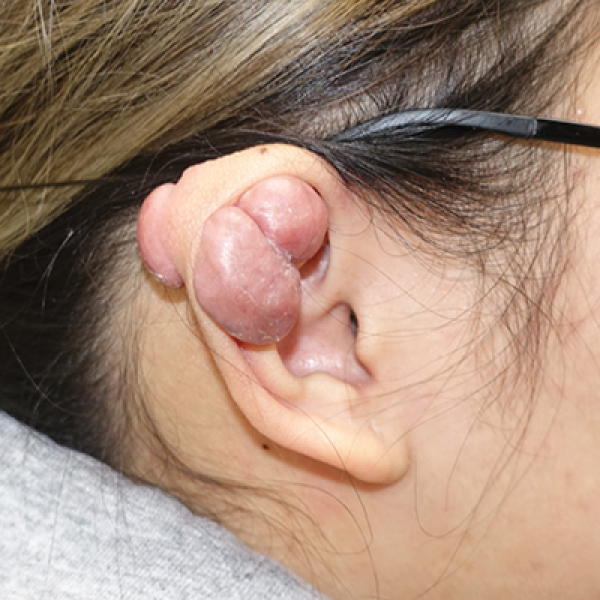
Certain factors increase the likelihood of hypertrophic and keloid scars which include age, location of trauma, nature of the injury, patient race and surgical technique, all of which play a role in the development of hypertrophic and keloid scarring. Such scars are more common in young adults and are more likely to occur on the chest, shoulders, back and jawline areas.
Hypertrophic/keloid scars are more common in Asians and dark skin types and are also more common in acne patients, burn injuries and surgical excisions.
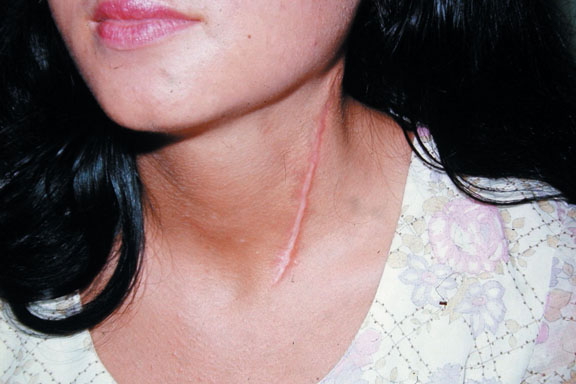
Hypertropic Scar
Hypertrophic scars occur when the body overproduces collagen, which causes the scar to be raised above the surrounding skin. These
are not thick, dense scars and have a characteristic slight red tinge to the skin. These can be ideally treated just with steroid injections.
Large Hypertropic or Small Keloid scars
These scars mostly occur at tight creases, chest, arms and back. Some areas are hypertropic and some have mixed keloids. These can be ideally treated with mix steroid injections. Usually has to be reviewed every 8-12 weeks post steroid injections.
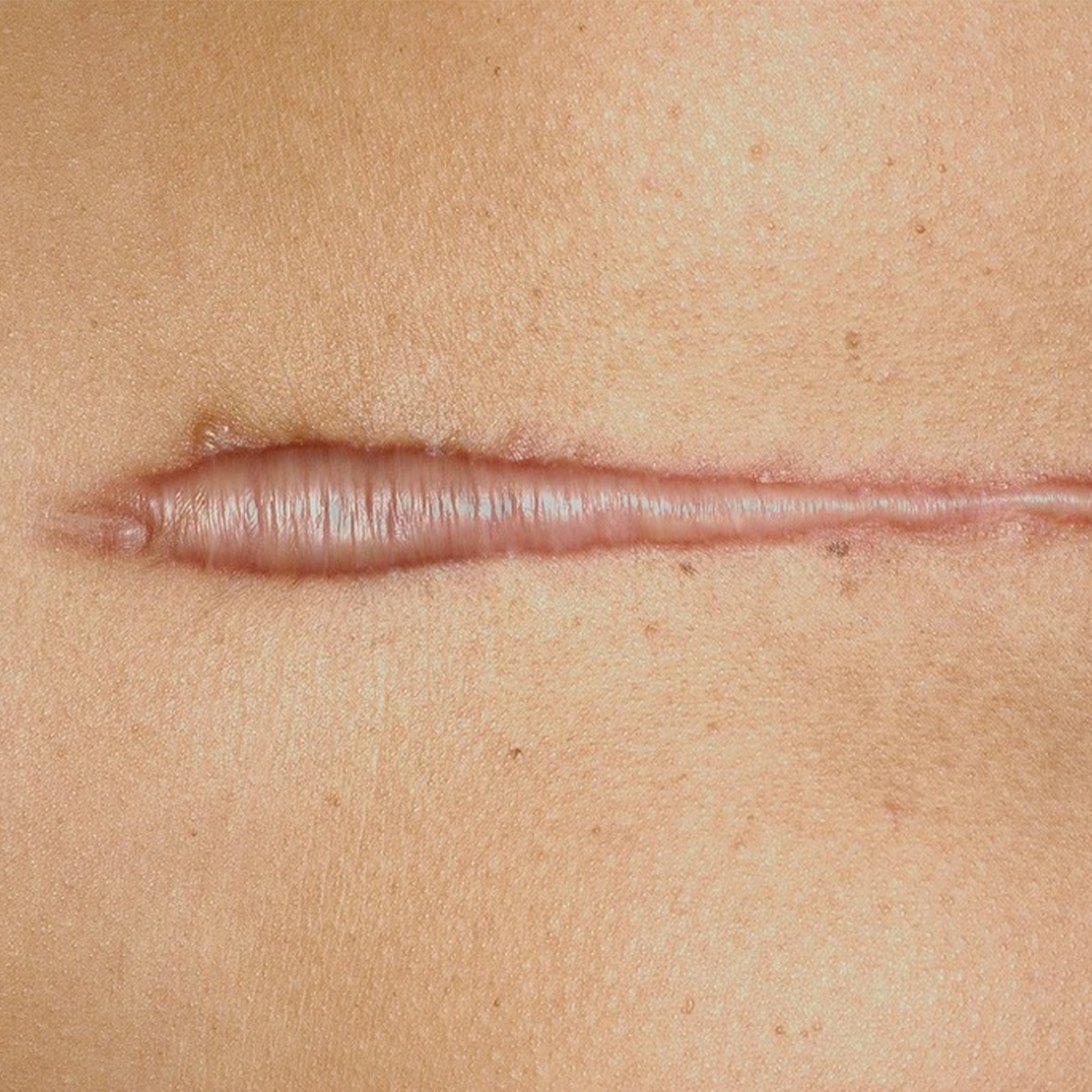
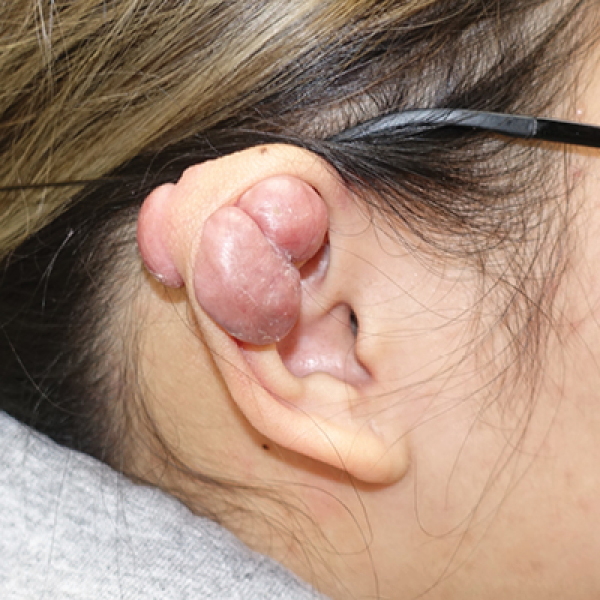
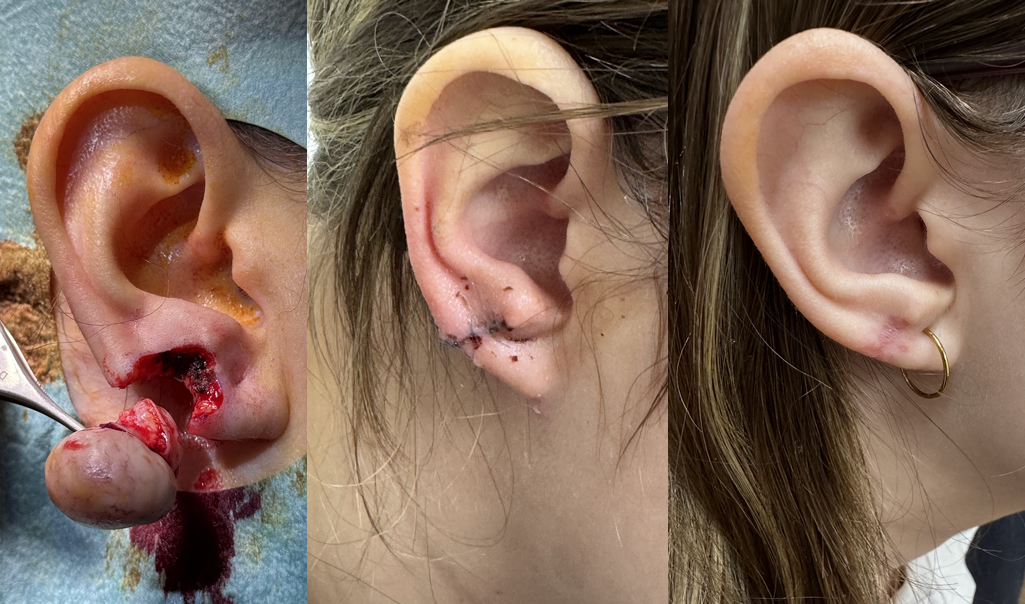
Thick Keloid and Ear Keloid
Thick and dense keloids, especially over the pinna and ear require surgical excision (removal). Some of the keloid scars can be removed through simple excision. Some large varieties may require flap or skin grafts.
Hypertrophic and keloid scars are operated on for cosmetic appearance. Good early care post-surgery can prevent some of these scars.
You can contact Dr. Satya Shanbhag to book an appointment for a comprehensive discussion about nonsurgical and surgical ways of dealing with these scars.
Treatment
The management of keloid scar depends on multiple factors. These include whether it is hypertropic scar, small keloid scar or a dense large keloid scar. Treatment may include steroid with 5 fluorouracil injections every 8-10 weekly for the first two catagories and the last category most likely would require surgical removal (excision).
Diagnosis starts with a clinical assessment- your doctor will take a history and carefully examine the scar. He will then determine the best mode of treatment: injectables vs surgery.
Surgery includes primary excision for moderate size keloids to a skin graft where a piece of skin from another part of your body may be used to cover the wound, helping it heal better and maintain normal appearance and movement. Your surgeon will recommend the approach that ensures complete removal while preserving the optimal cosmetic and functional result.
Frequently Asked Questions
Q: Will I be awake during the surgery?
A: Yes. The procedure is done under local anaesthetic, which means the area will be numb but you’ll be awake and comfortable. You may feel some pressure or movement, but not pain.
Q: Will the keloid recur again?
A: There is always a chance that keloid may come back again. It is important to see the doctor every 2-3 months to review your wound/scar. He may recommend timely intervention with injectables.
Costs
The cost of treatment varies depending on the type and complexity of the procedure, and Dr Satya will be happy to discuss this with you during your consultation. For more information, please email nurse@wamsc.co.nz